Article Outline
Website design is evolving rapidly as technology advances and user needs shift. Whether in finance, transportation, enterprise tools, ESG, or media, websites are no longer just about visual appeal—they have become essential tools for brand communication and user interaction.
In this article, we’ll explore design trends across different types of websites, based on Goons Design’s project experience, and highlight the design essentials that truly make a difference.
1. Financial Industry Website Trends
Competition in finance is intense. To retain loyal customers and attract younger generations, financial institutions are rethinking their brand and website design. We’ve identified three key trends:
- Youthful design: Using mascots, friendly visuals, and approachable tone to connect with younger users.
- Personalized curation: Moving away from catalog-style listings and instead recommending financial products based on individual transaction history.
- Simplified information: Turning complex financial data into easy-to-understand cards, charts, and visuals that support decision-making.
Because the financial sector is heavily regulated in Taiwan, design must also prioritize accuracy, data privacy, and compliance. The challenge is to stay on trend while still meeting strict requirements.
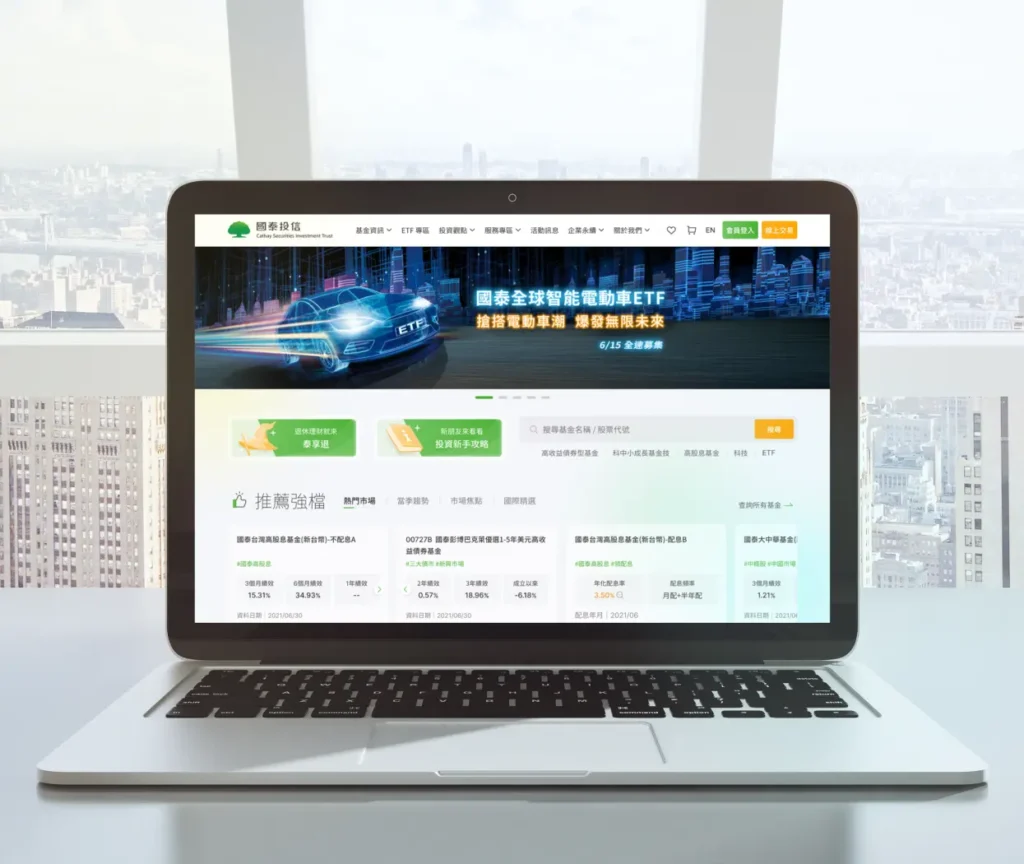
Goons helped Cathay Securities redesign its site by transforming complex fund data into clean, card-based displays that make it easier for users to compare and choose.
2. Transportation and Travel Website Trends
As transportation services grow more diverse, website design is moving toward greater integration. From our projects, we’ve seen three main directions:
- MaaS integration: Combining public transport, car rentals, and shared mobility into one system.
- One-stop lifestyle hub: Merging transportation with accommodations, attractions, itineraries, shopping, and local deals.
- Partnership with OTAs: Directly linking to domestic and international platforms for booking transport, hotels, tickets, and packages.
These services often require account systems, maps, POI management, trip planning, payments, and order tracking. Since users are increasingly mobile-first, it’s critical to design for cross-device and on-the-go experiences.
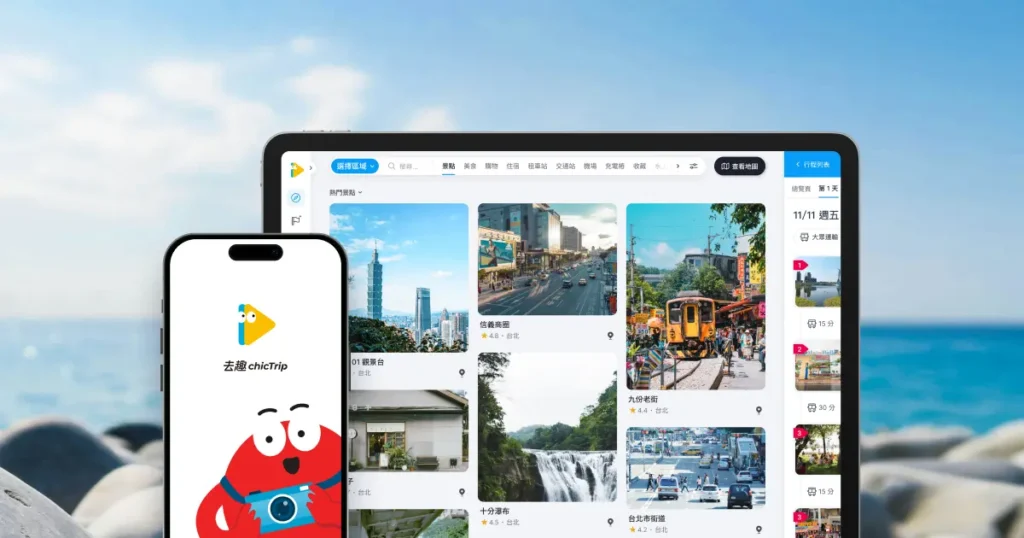
In partnership with Hotai, Goons created chicTrip, a Gen Z–friendly travel platform integrating attractions, bookings, and social sharing.
3. Enterprise Application Website Trends
Internal enterprise tools are mission-critical, but their design must balance workflows, data hierarchy, user roles, and system constraints. Recent trends we’ve observed include:
- Personalized dashboards: Centralizing key reminders and data on one screen.
- Proactive task prompts: Using clear visuals and notifications to help staff complete urgent tasks.
- More human communication: Moving away from cold system language toward warmer visuals and copy that make employees feel supported.
Since every company has unique culture, processes, and roles, careful user research is needed to unify logic and avoid fragmented, hard-to-maintain designs.
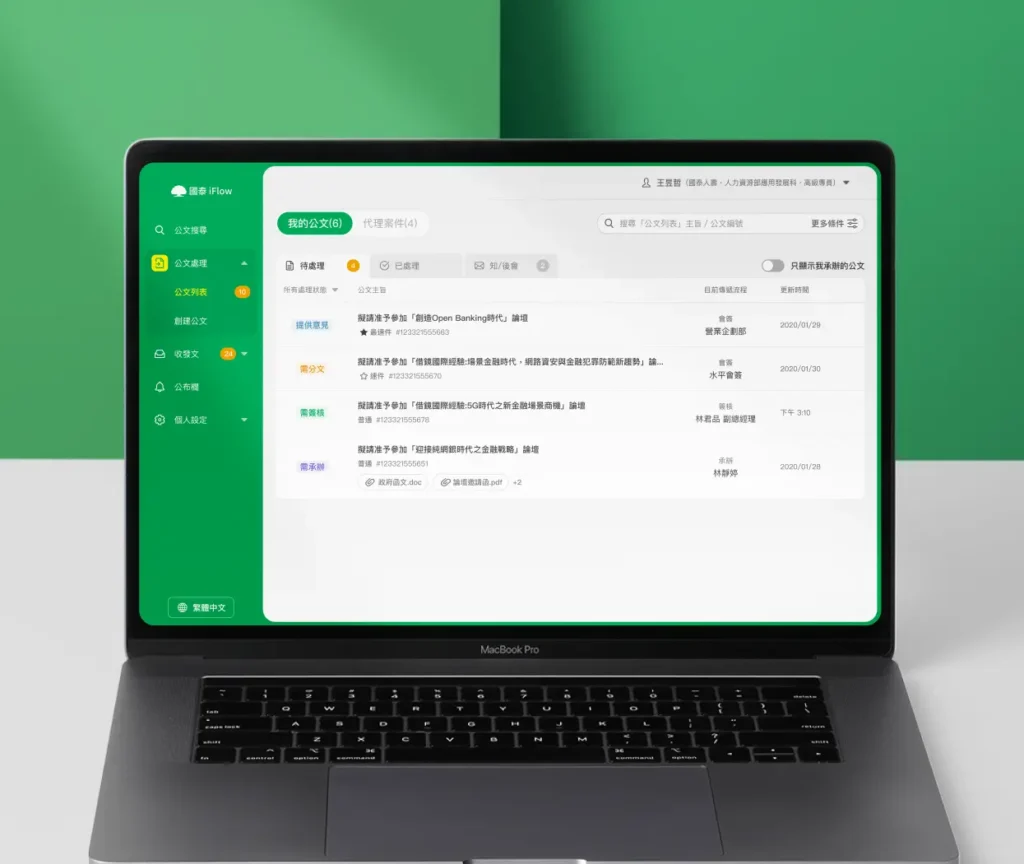
Goons helped Cathay Financial Holdings integrate document approval across eight subsidiaries into a single SaaS platform, streamlining group-wide efficiency.
4. ESG Website Trends
With ESG becoming a priority worldwide, regulations in Taiwan now require listed companies to disclose ESG actions and reports. Competitions and awards further highlight the need for clear ESG communication. Based on our projects, here are key trends:
- Data visualization: Using charts and graphs to highlight ESG performance and progress.
- Thematic storytelling: Organizing content around the three ESG pillars with clear policies and case studies.
- Real-time updates: Publishing news, blogs, and reports throughout the year.
- Interactive features: Adding tools like interactive charts or ESG quizzes to engage users beyond passive reading.
A strong ESG site not only discloses data but also raises awareness and encourages public interaction.
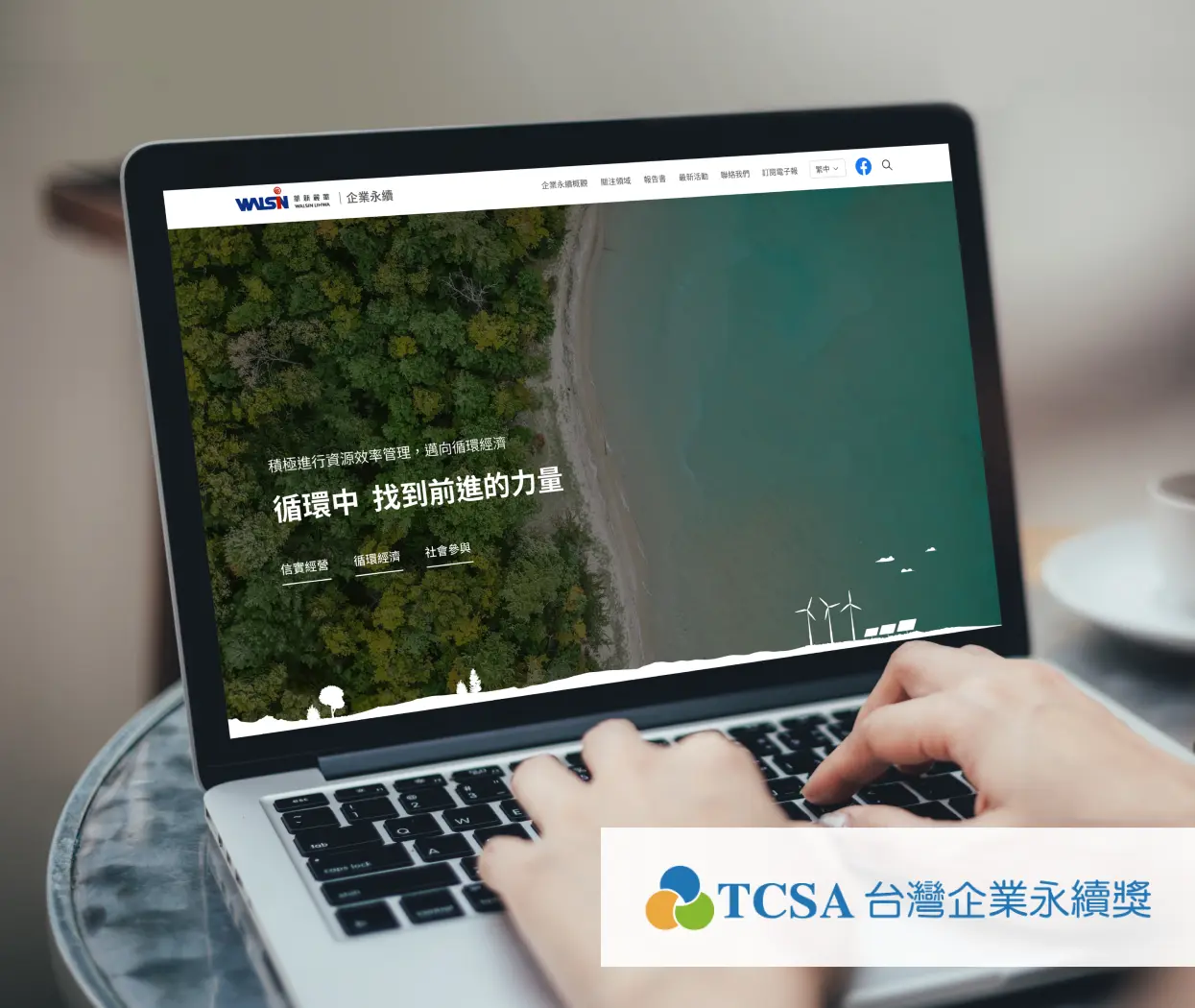
Goons has partnered with Walsin Lihwa for years to update its ESG site, helping showcase the company’s sustainability achievements.
5. News and Media Website Trends
In today’s information-saturated world, simply providing more content no longer guarantees traffic. Media sites must target specific audiences, deliver smooth reading, and support diverse formats. Current trends include:
- Infinite scrolling and related recommendations: Extending reading time by automatically loading relevant articles.
- Personalized curation: Suggesting content based on age, interests, and reading habits.
- Multi-format content: Integrating articles, videos, podcasts, and short-form clips to match shifting user habits.
- Accessibility features: Adding text-to-speech, adjustable fonts, contrast modes, and night mode to support all users.
Strong SEO structures are also crucial, ensuring articles can be discovered through search engines and shared on social platforms.
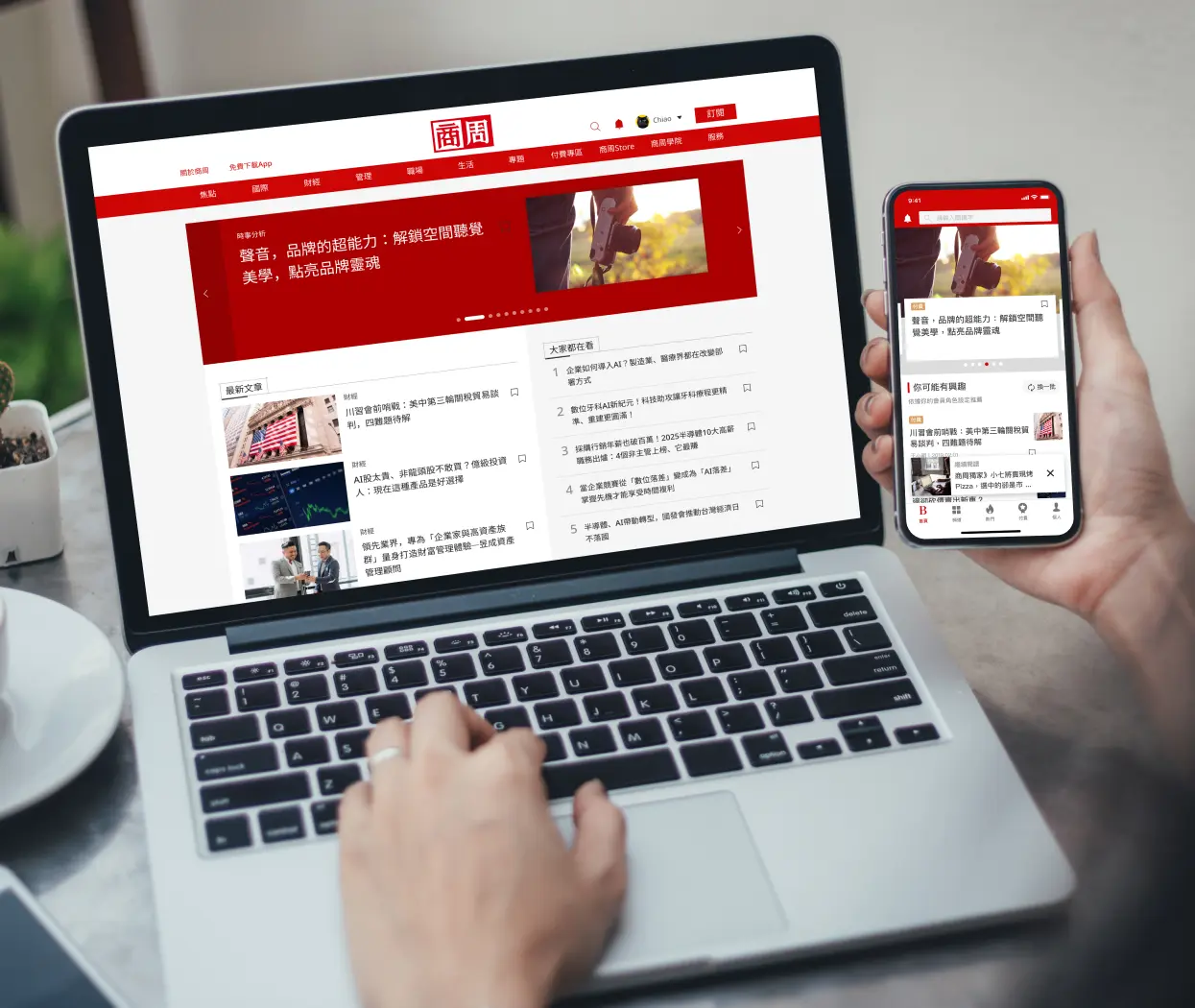
Goons redesigned Business Weekly’s website, introducing a new brand look and improved reading experience, which boosted monthly visits significantly.
Conclusion
As markets evolve, websites are no longer just digital storefronts—they’re dynamic platforms blending functionality, storytelling, and innovation. To stand out, businesses need design teams that can spot these trends and apply them effectively.
At Goons Design, we continue to balance strategy, experience, and technology, delivering solutions that not only look good but also create meaningful user experiences and measurable impact.